
Meta has figured out how to make virtual reality feel less like strapping a computer to your face and more like putting on a pair of sunglasses.
I got an early demo of the company’s upcoming VR glasses, which arrive next spring, and I walked away super impressed. They’re the best VR glasses I’ve tried yet.
At first glance, they look like oversized sunglasses. Look closer, and you’ll notice cameras and sensors that help track your eyes and hand movements. The glasses are lightweight, comfortable and designed primarily for indoor use.
Meta’s 5K OLED displays are sharp. You can see the world around you or immerse yourself in a completely virtual environment. I watched a concert and a basketball game in 3D, and the experience was excellent. During the basketball game, I could look around and take in the entire scene.
Navigating the on screen operating system is easy. Eye tracking and intuitive hand gestures let you move windows around, resize screens and interact with apps. I was scrolling through Instagram, liking posts and leaving comments using little more than my fingers.
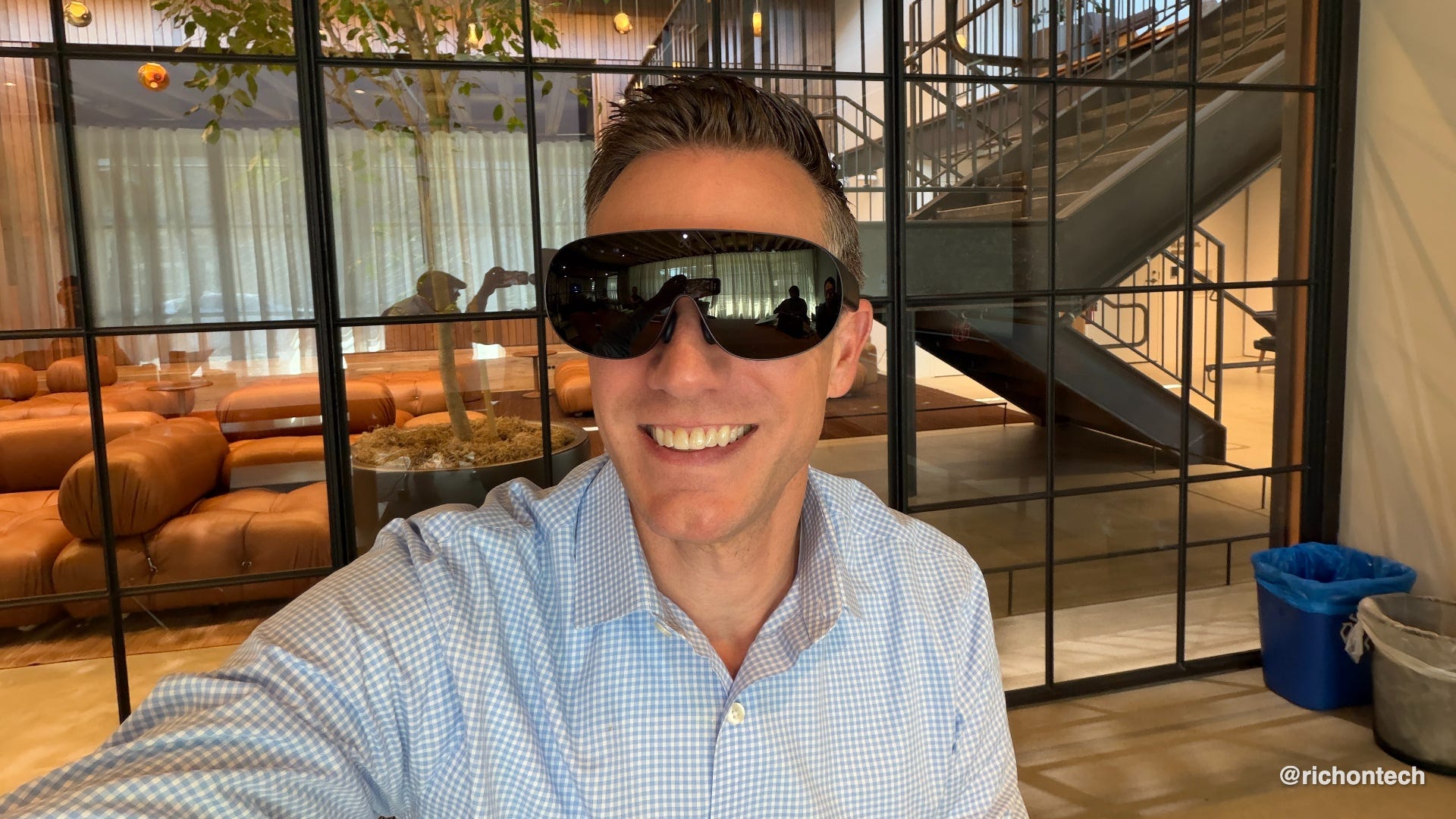
I also played games, including a hand-controlled version of Beat Saber, typed on a virtual keyboard and connected a laptop to create three massive virtual computer monitors floating in front of me.
Everything felt fluid and intuitive. There was almost no learning curve.
The audio was excellent, too. And perhaps most importantly, the glasses stayed comfortable throughout my demo. With many VR headsets, my eyes get tired or I start wanting to take them off. That never happened here.
Of course, there’s a catch. The glasses will cost $1,300 when they arrive next spring. That’s still a lot of money for a product most people don’t necessarily need.
But compared with Apple’s Vision Pro, which launched more than two years ago, Meta seems to have addressed nearly every complaint I had. The glasses are lighter, easier to navigate and much more comfortable.
The bigger question is what people will actually do with them. Watching movies, playing games and working across giant virtual screens are all compelling, but the apps and software will ultimately determine whether this becomes something people use regularly.
After trying these, I wouldn’t be surprised if Apple takes another shot at a lighter version of Vision Pro.