
Five years after visiting Boxabl’s factory outside Las Vegas, I finally got to see one of its foldable homes installed in someone’s backyard. And I was curious to find out whether this unusual approach to homebuilding actually makes life easier for homeowners.
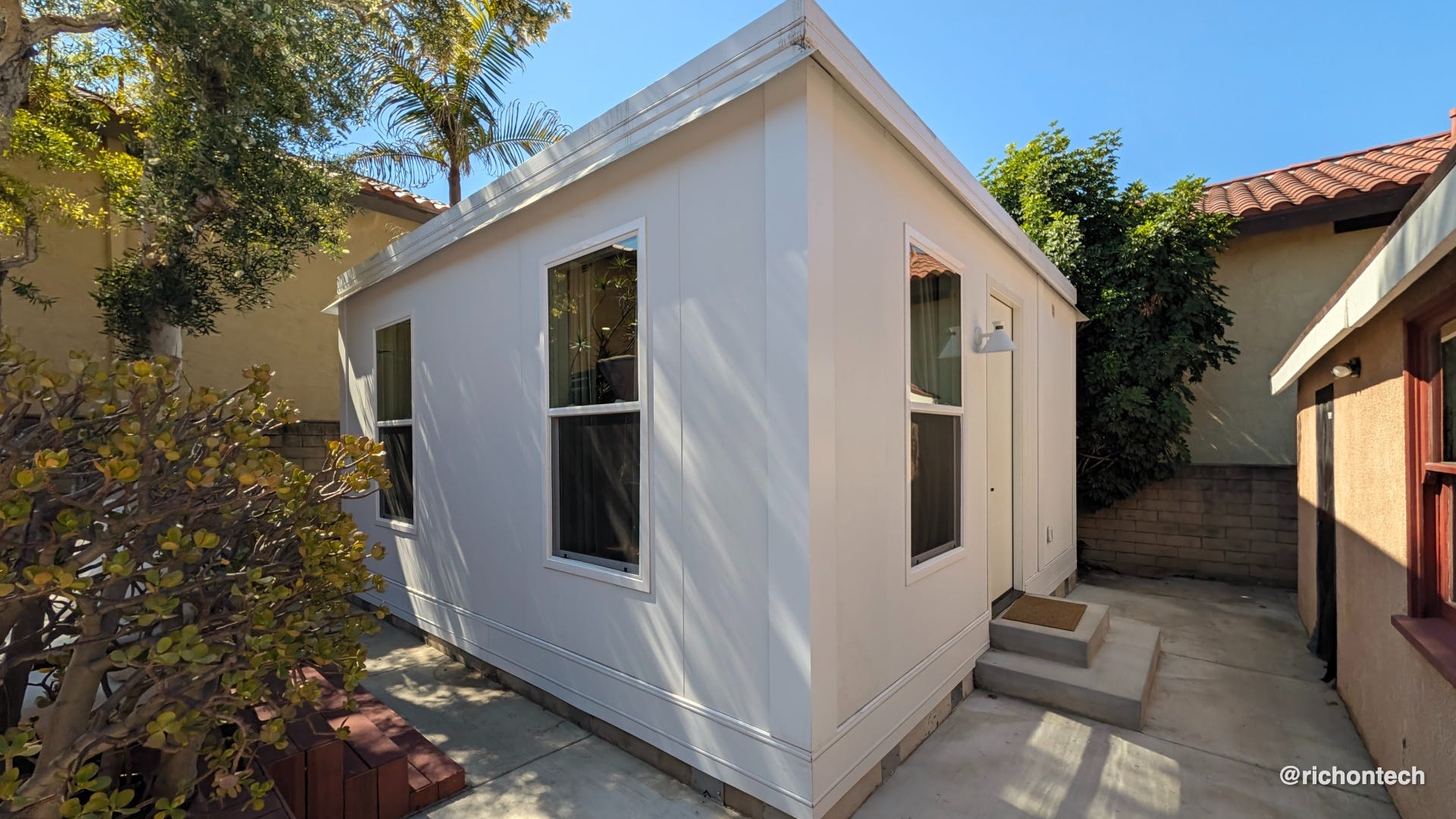
Boxabl made headlines a few years ago after reports that Elon Musk lived in one of its tiny homes. The company’s big idea is to build homes in a factory, fold them up for transportation, then unfold them on your property.
I visited Leslie Davis in Long Beach, California, who had one installed in her backyard.
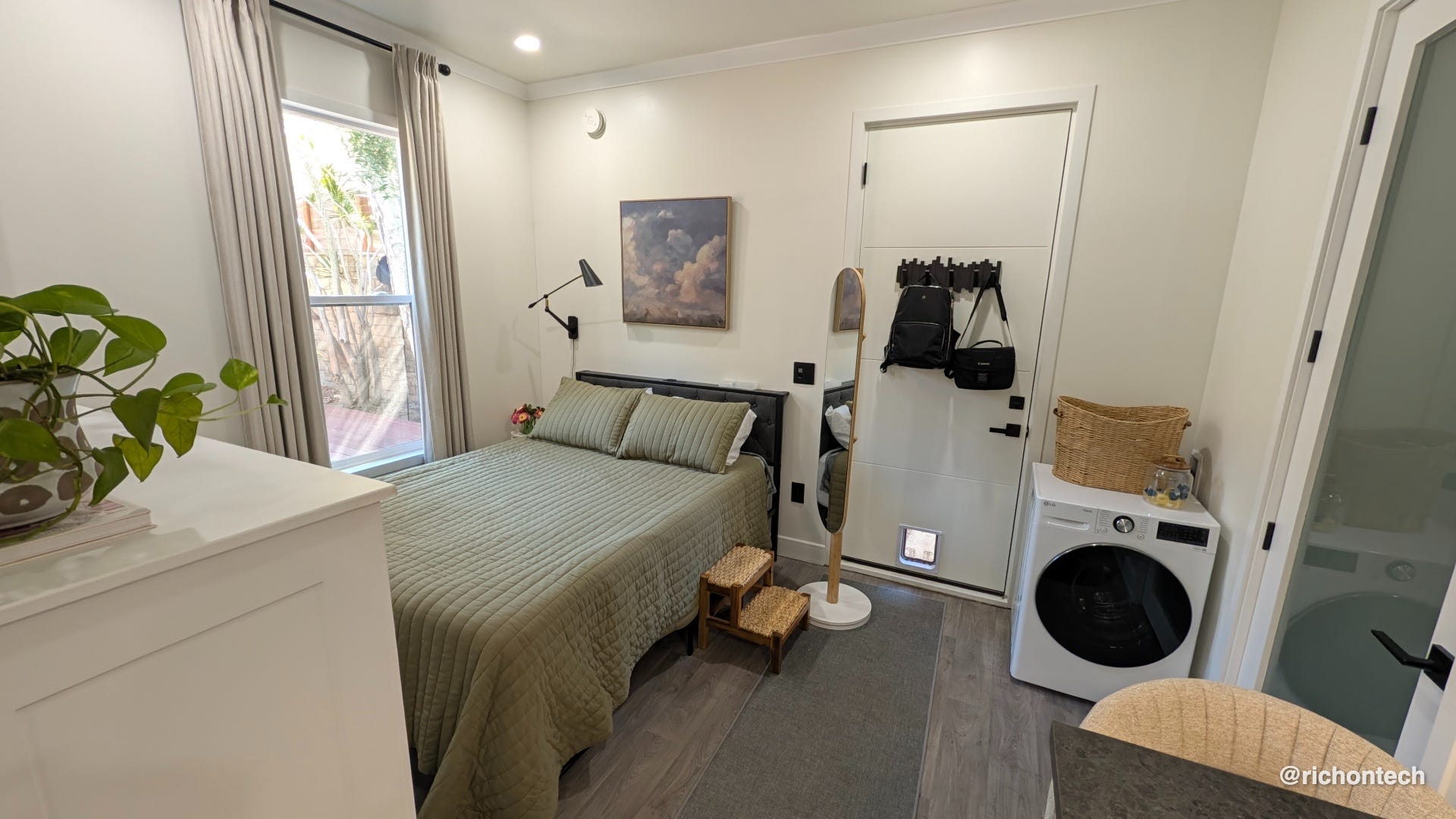
Her Boxabl Casita is about 360 square feet, with a full kitchen, bathroom, living space, appliances, air conditioning and even a washer and dryer.
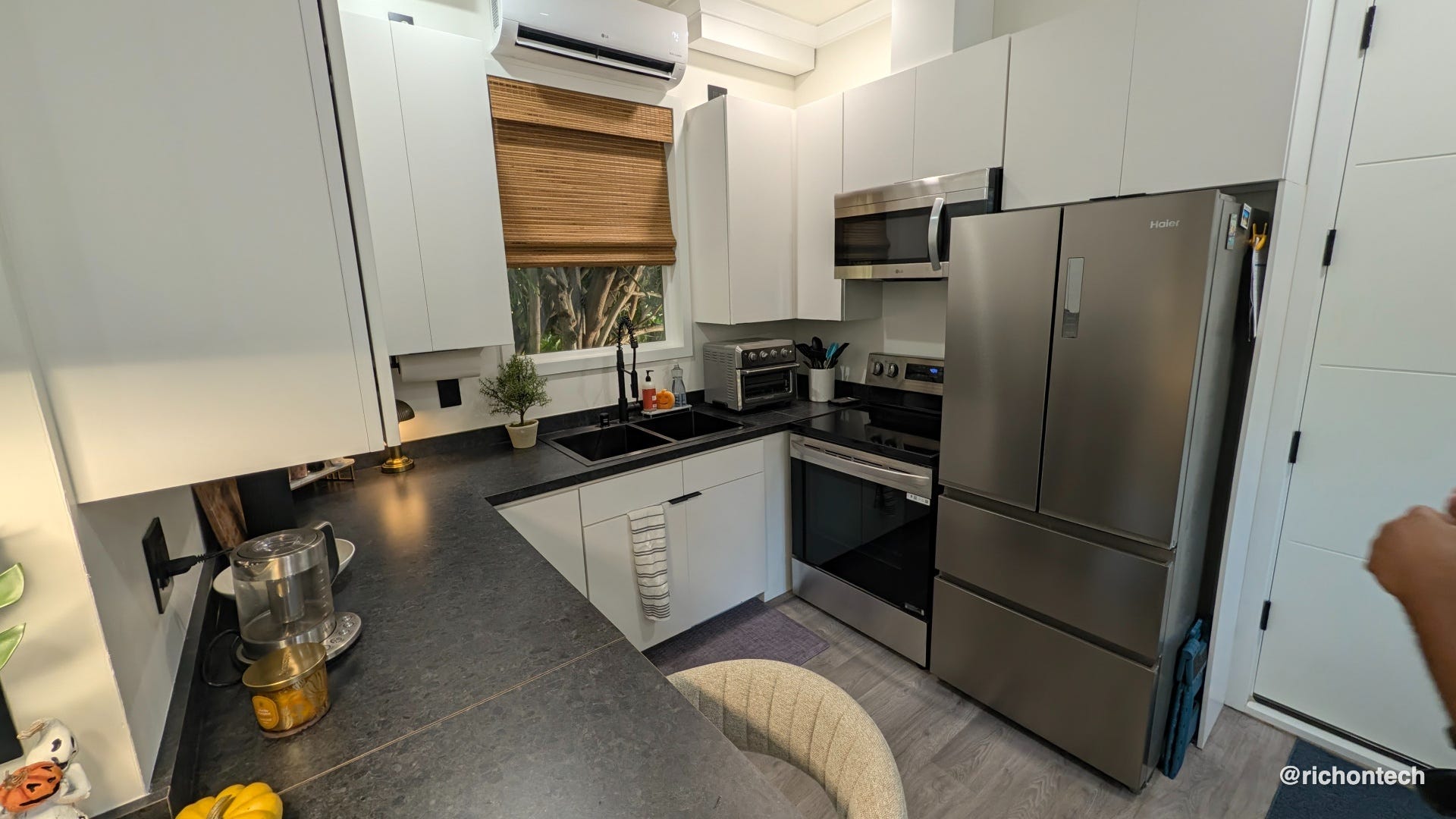
Leslie uses hers as a studio and office, and says it’s quiet and comfortable.
One of the most interesting parts of her story was the installation. Because the home arrives folded up, a crane was needed to lift it over neighboring two-story townhomes and into her backyard. She says neighbors came outside to watch.
But here’s where things get interesting.
Leslie paid about $65,000 for the home itself. That didn’t include preparing the property, connecting utilities or meeting city requirements.
And despite the promise of a simpler installation, permitting turned out to be her biggest headache. The city required changes to how certain things were installed and dug, which added time to the process.
Boxabl currently advertises the Casita starting at around $60,000, but estimates a turnkey installation at approximately $150,000, including site work.
That’s an important distinction if you’re comparing this to traditional construction.
Inside, I thought the space was well designed, especially considering its size. There’s plenty of storage, and just about everything you need is included.
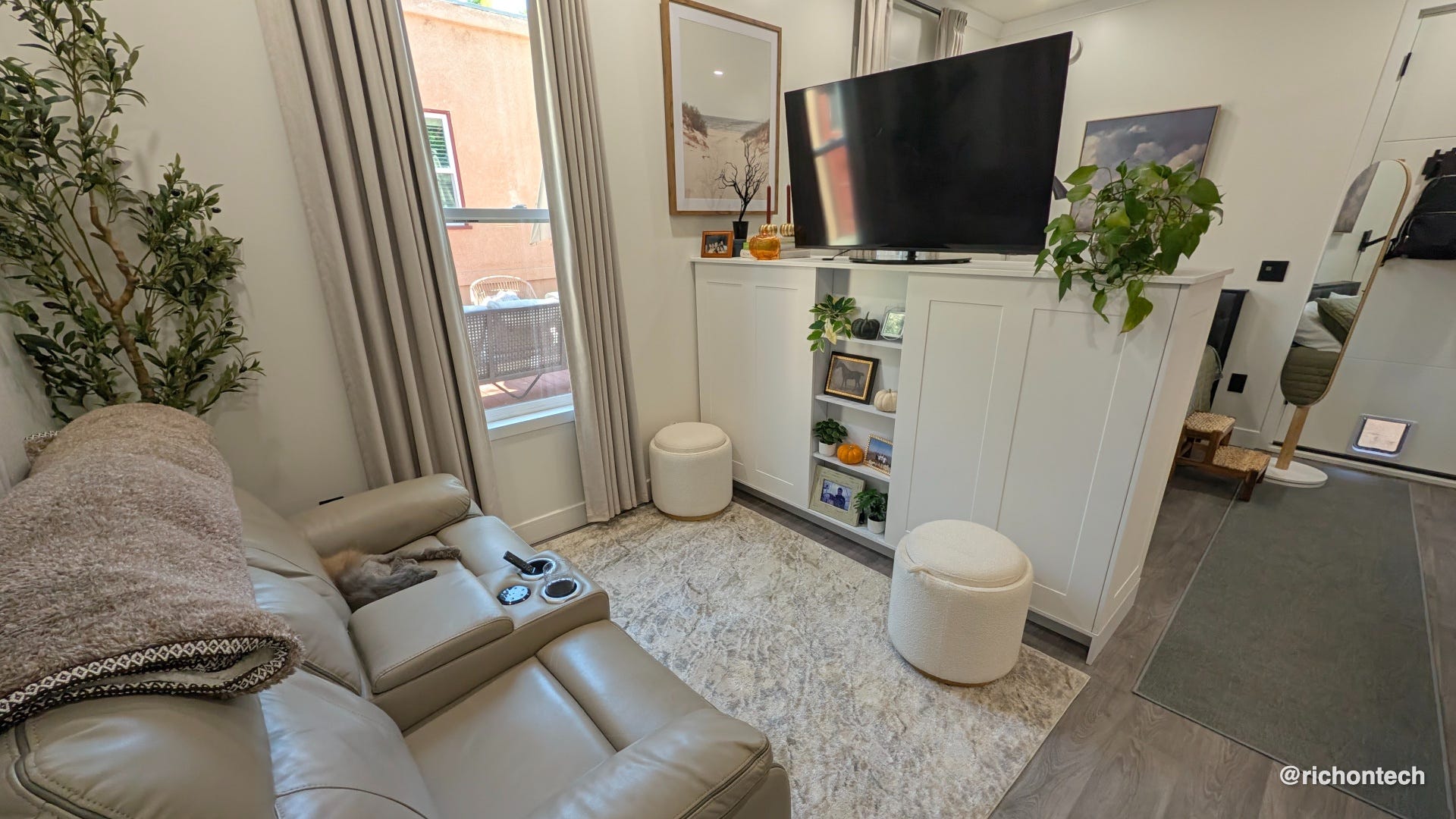
There are some trade-offs. Because the home unfolds, you can still see hinges in the ceiling and seams where the sections come together. Leslie also wishes the standard flooring and countertops were a little more upscale.
I also caught up with Boxabl co-founder Galiano Tiramani, who told me the company has spent years working through engineering and regulatory approvals and is now focused on sales.
Boxabl says it has delivered hundreds of units, but its ambitions go beyond backyard homes. The company hopes its modular building technology can eventually be used for much larger projects.
For Leslie, the experience has been positive overall. She says getting the Boxabl installed was easier than building a traditional ADU from scratch, even with the permitting challenges.
Her biggest advice? Visit the Boxabl factory in Las Vegas and take a tour before buying.
After seeing one in person, I’d add one more suggestion: Make sure you understand the total installed cost, not just the advertised price of the home.