
Meta’s smart glasses were originally marketed as a way to take photos, listen to music and ask AI questions without pulling out your phone. But for people who are blind or have low vision, they are helping with something much more important: independence.
Recently, I visited the Braille Institute, where I met was Jeremy Hill, a social worker who is also living with vision loss caused by diabetic retinopathy and glaucoma. He wears the glasses every day to help identify signs, find objects, read documents and navigate the world around him.
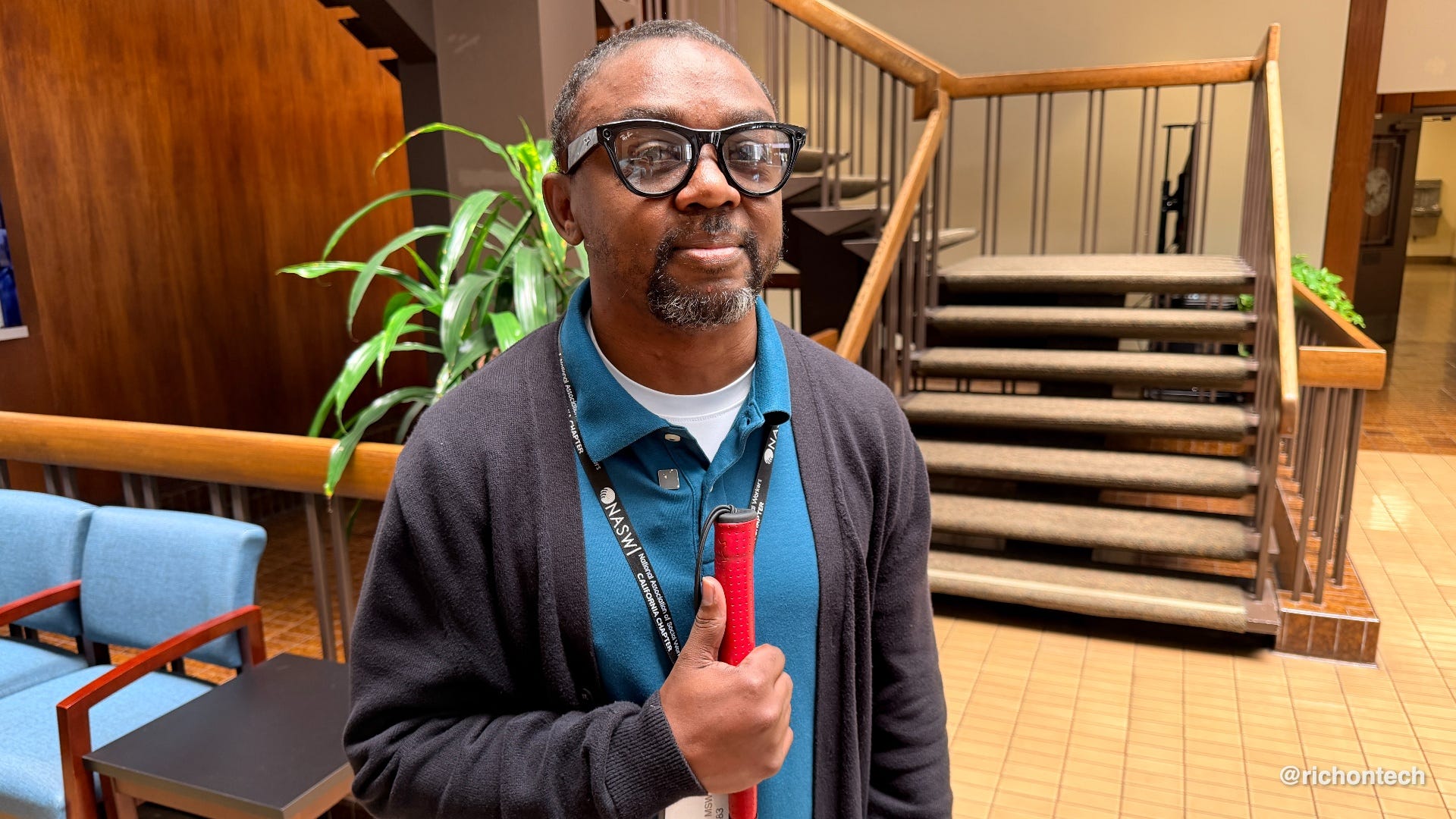
That hands free experience is one of the biggest advantages. Instead of trying to juggle a phone while using a white cane, users can simply ask the glasses for help. The built in cameras, microphones and speakers let Meta AI describe what it’s seeing, read menus, explain prescription labels, translate printed text and even provide directions.
One newer feature, called Detailed Responses, offers much more context and detail about whatever is in front of the user.
The Braille Institute is now teaching students how to use these AI features as part of its accessibility training. The organization also received one of Meta’s AI Glasses Impact Grants, which will help expand classes and one on one instruction to more people.
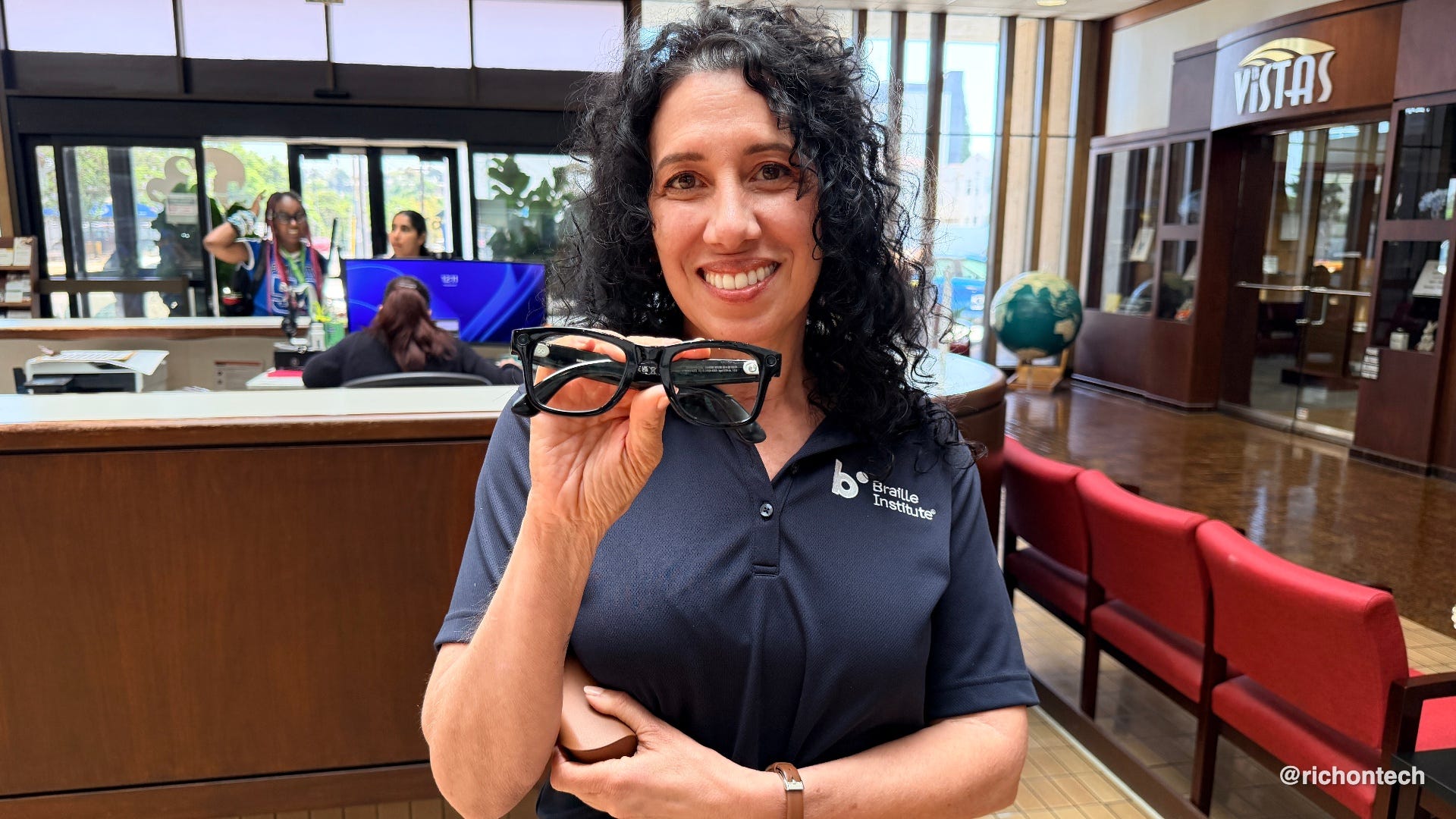
Meta told me the idea for adding AI to the glasses actually came from a blind employee who recognized their potential early on. The company has also integrated Be My Eyes, which connects users with live volunteers when AI alone isn’t enough.
One thing that surprised me is how normal these glasses look. They don’t stand out as specialized assistive technology, and I think that’s part of what makes them so appealing. They blend into everyday life while quietly providing help when it’s needed.
The glasses start at about $300. While they certainly won’t replace every accessibility tool, after seeing them in action it’s clear they’re opening up new possibilities for people who want a little more confidence and independence in their daily lives.
Meta has also pledged to provide a free pair of the glasses to blind veterans in the U.S., expanding access to people who could benefit from the technology.